Soenil Bahadoer
Chef and owner, GEM.
Chef Soenil Bahadoer on the kitchen of his childhood, the discipline behind three decades at De Lindehof, and beginning again at GEM.
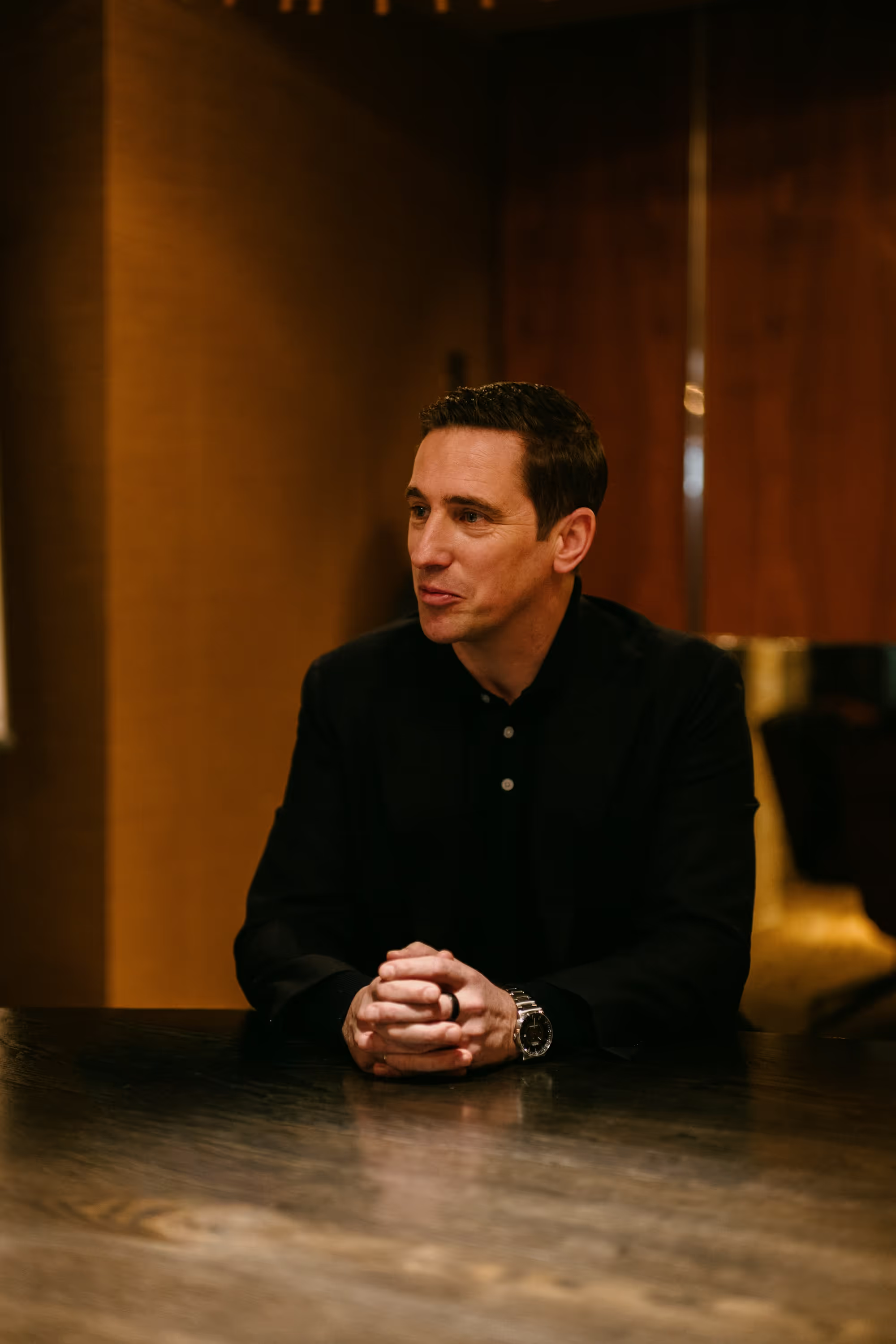
Before service begins, Soenil Bahadoer checks the kitchen. The sauces, the ingredients, the smallest details. It is a habit he never skips. At this level, he believes, nothing should be left to chance.
That discipline has shaped a career spanning more than three decades. But technique and consistency only tell part of the story. Soenil’s cooking is rooted in Suriname, in his mother’s kitchen, and in the decision to make his own identity visible on the plate.
Today, that story continues at GEM., his restaurant inside the fourteenth-century gatehouse of Kasteel Gemert. Not as a continuation of De Lindehof, but as a new beginning.
THE FIRST KITCHEN
Soenil was born in Suriname and moved to the Netherlands when he was eight. His earliest memories of food are tied to scent: freshly ground masala, toasted spices, chilli, mango and pots left to cook slowly on the stove.
At home, food was never only about eating. It meant family, sharing and paying attention to one another. That sense of warmth remains central to his cooking, even as the dishes themselves have become more precise.
“My food is more refined now,” he says. “But that feeling of home still has to be there.”
His mother cooked without written recipes. She worked from memory and instinct, knowing when something was ready by its fragrance, texture and taste. From her, Soenil learned patience and the importance of building flavour gradually.
He did not reproduce her food literally. He carried its character with him.
“The soul of her kitchen stayed with me. I translated it into my own language.”

LEARNING THE RULES
During his training and his early years working with established chefs, Soenil learned discipline and classical French technique. At first, mastering those rules mattered deeply to him. He wanted to prove that he could cook at the highest technical level.
But perfection alone eventually stopped being enough.
“I realised that cooking allowed me to express my feelings and my identity,” he says. “I didn’t only want to cook perfectly. I wanted to tell a story that was genuinely mine.”
Finding that voice took time. His Surinamese-Hindustani background was not an obvious point of departure within European fine dining at the time. He first needed the confidence to treat it not as an influence at the edge of his work, but as something central.
When he finally did, memory and technique began to work together. French precision gave structure to the flavours he had known since childhood. Masala, vadouvan and spice were no longer additions to an established language. They became part of his own.
That decision would come to define his cooking.
THIRTY YEARS OF CONSISTENCY
Soenil spent almost thirty years at De Lindehof. The restaurant became inseparable from his name, but its success was never the result of a single breakthrough.
“Nothing happens by itself,” he says. “You have to begin again every day and demand the same quality, even when things are difficult or nobody is watching.”
De Lindehof taught him that consistency is active. It requires attention long after the first ambition has been fulfilled. Success did not give him permission to settle. It made him more critical.
The years also changed how he leads. Hard work, he learned, is not enough. A kitchen depends on communication, trust and the willingness to listen. Standards must remain clear, but people also need room to develop.
“I don’t only want to make better dishes. I want to make people better.”
BEGINNING AGAIN
Leaving De Lindehof was not the safe decision. After nearly three decades, Soenil could have remained with what he had built. Instead, he chose uncertainty.
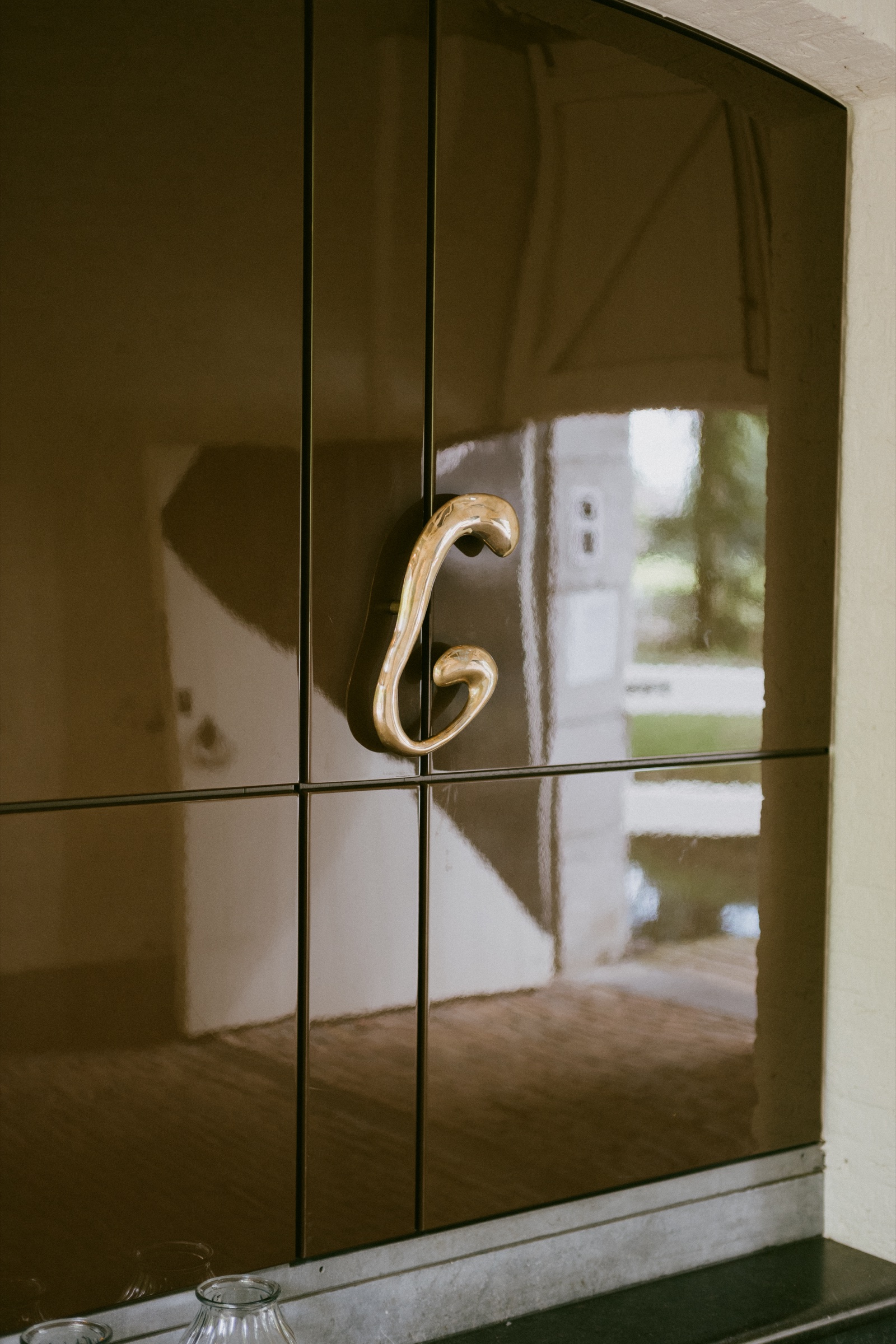
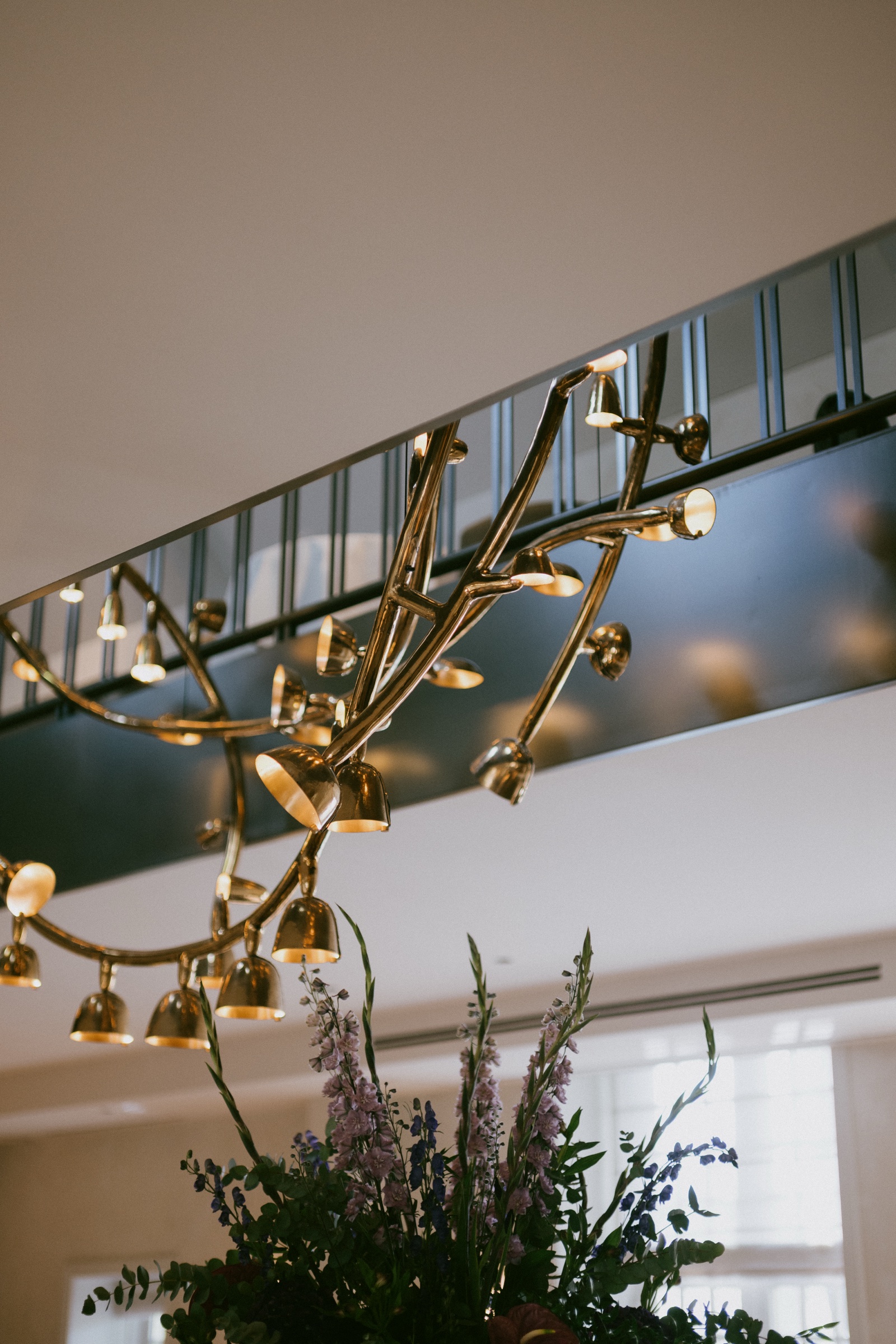
GEM. gave him the chance to begin again on a different scale. The restaurant occupies the medieval gatehouse of Kasteel Gemert, surrounded by historic walls, water and gardens. Herbs and seasonal vegetables grow close to the kitchen.
Soenil brought his discipline, culinary signature and belief in team culture with him. What he wanted to reconsider was everything around them: the setting, the rhythm of the experience and the relationship between food, nature and hospitality.
At GEM., his Surinamese-Hindustani heritage, French technique and Dutch seasonal produce come together without needing to compete for attention. The restaurant offers a journey through his background, but it is not a retrospective.
It is the work of someone still moving forward.
“When everything is right, nothing else needs to be added,” Soenil says of finishing a dish. “Every ingredient must have a reason to be there. If something is only on the plate because it looks beautiful, it does not belong.”
The same restraint applies beyond the plate. Strength needs quiet. Complexity needs clarity.
ANNU
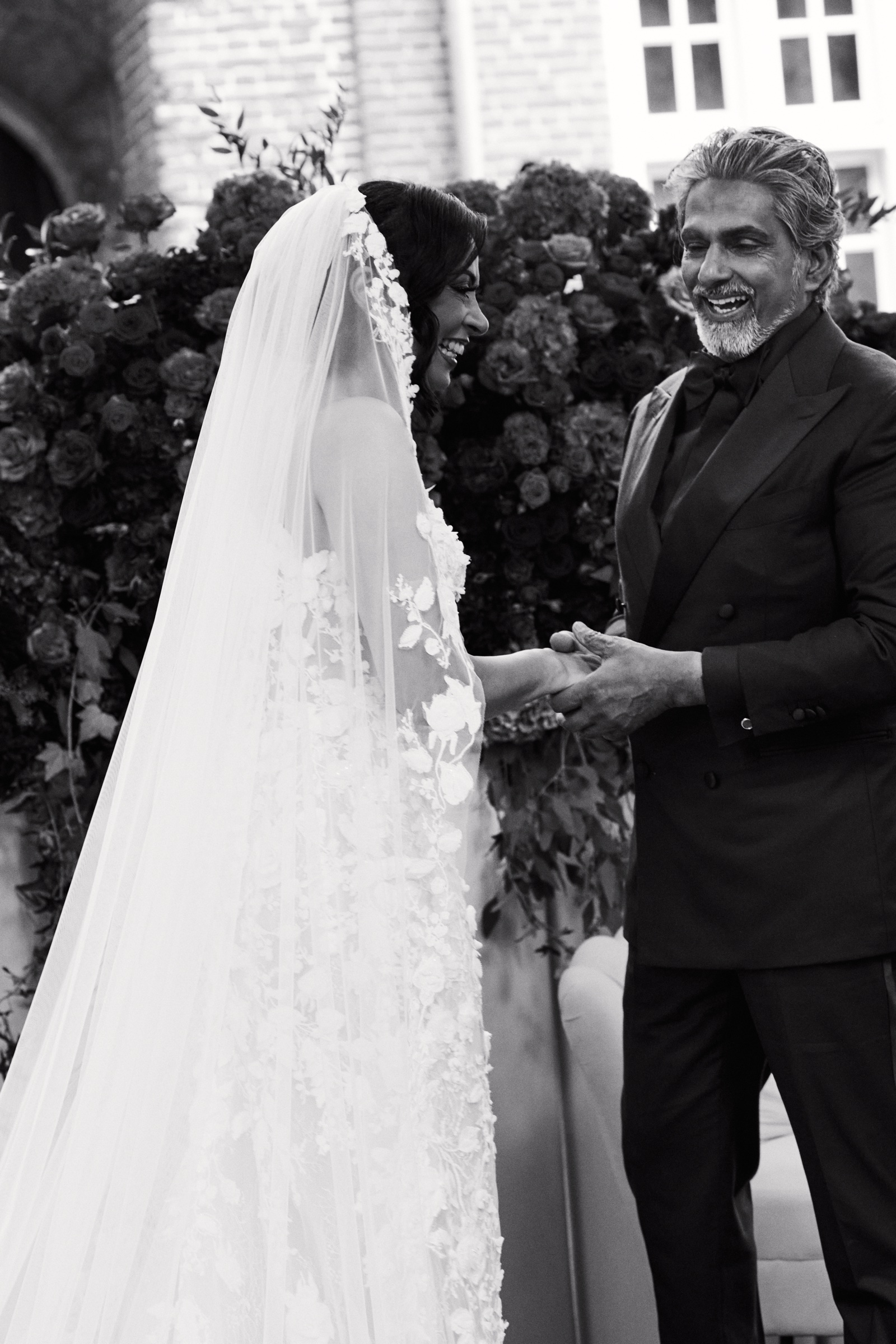
Soenil’s marriage to Annu has changed how he thinks about success.
For much of his life, progress was measured through work: a full restaurant, recognition, another level reached. Annu brought a wider perspective. Success could also mean building something together, making time and allowing yourself to enjoy what has already been achieved.
“She brings calm, strength and a different way of looking at life and at GEM.,” he says. “We are real partners.”
That awareness has made balance more important. Soenil does not want to become less ambitious. He wants to become more deliberate about where his attention goes: his work, his health and the people closest to him.
He is also learning to give others greater responsibility. For someone accustomed to checking every detail himself, that is another form of growth.

DRESSED FOR THE DAY
In the kitchen, clothing is functional. Outside it, Soenil sees dress as another form of communication.
He wants his clothes to convey strength and care without becoming excessive. A well-cut suit gives him composure because it supports rather than distracts him. When the fit is right, he does not have to think about it.
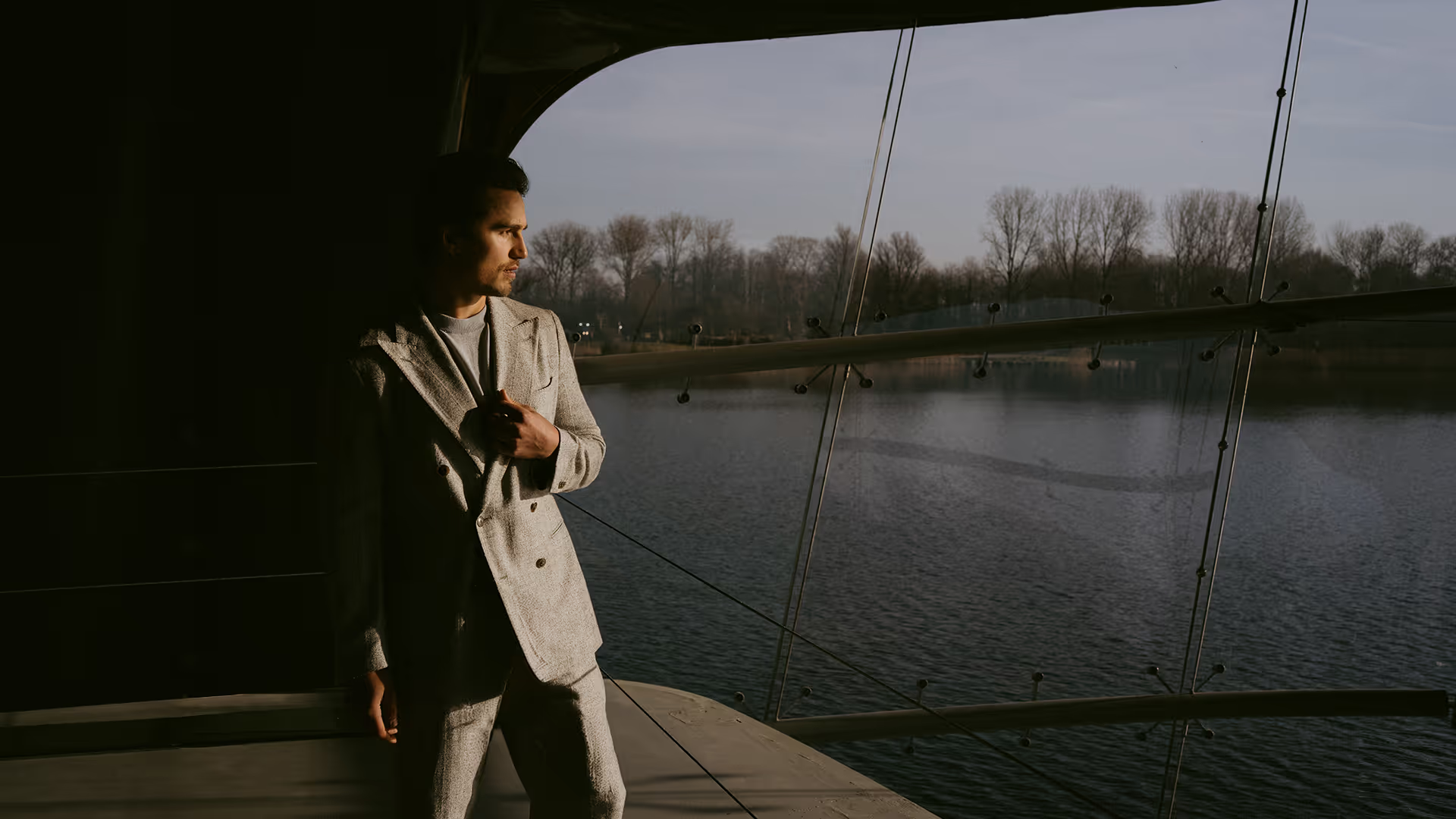
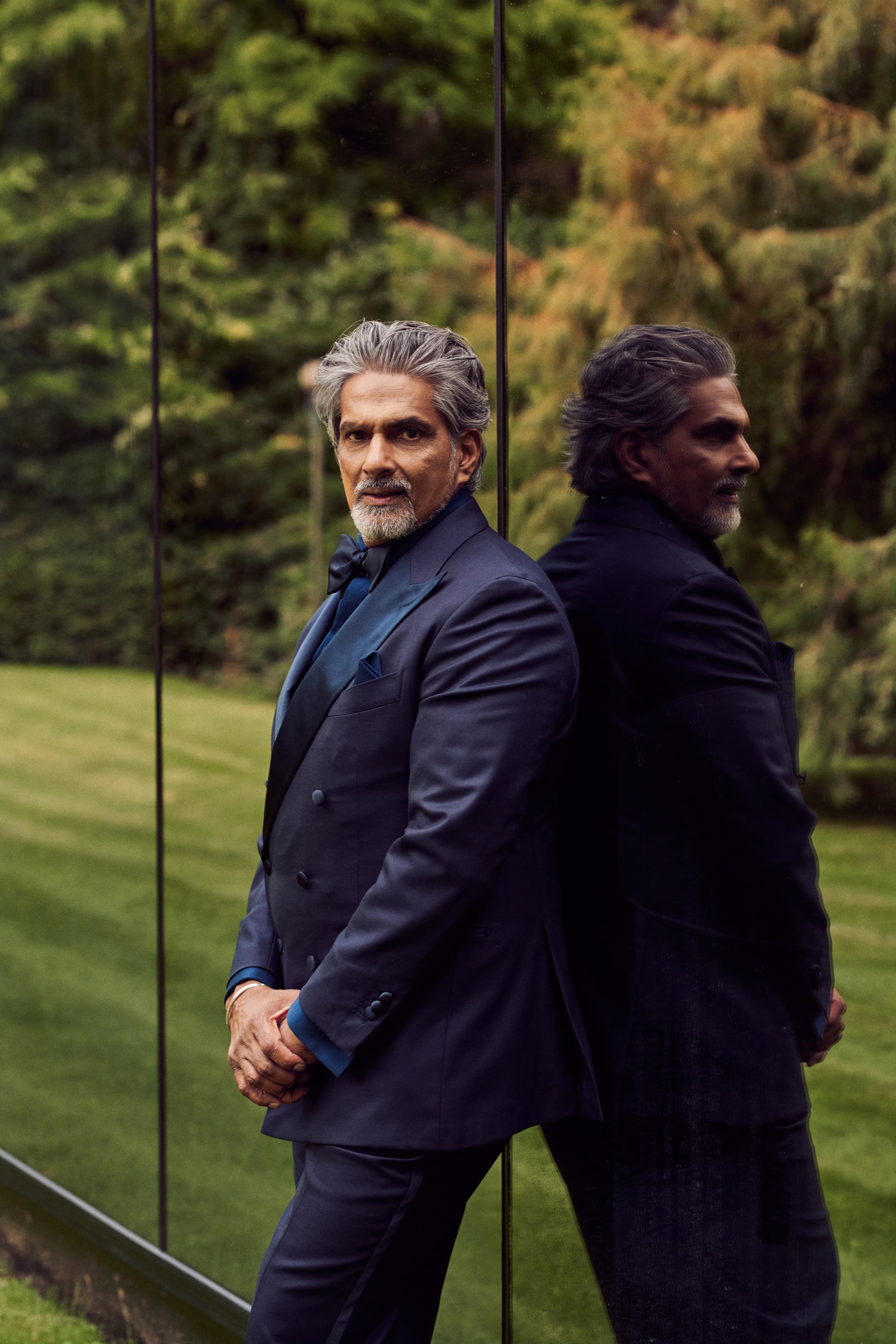
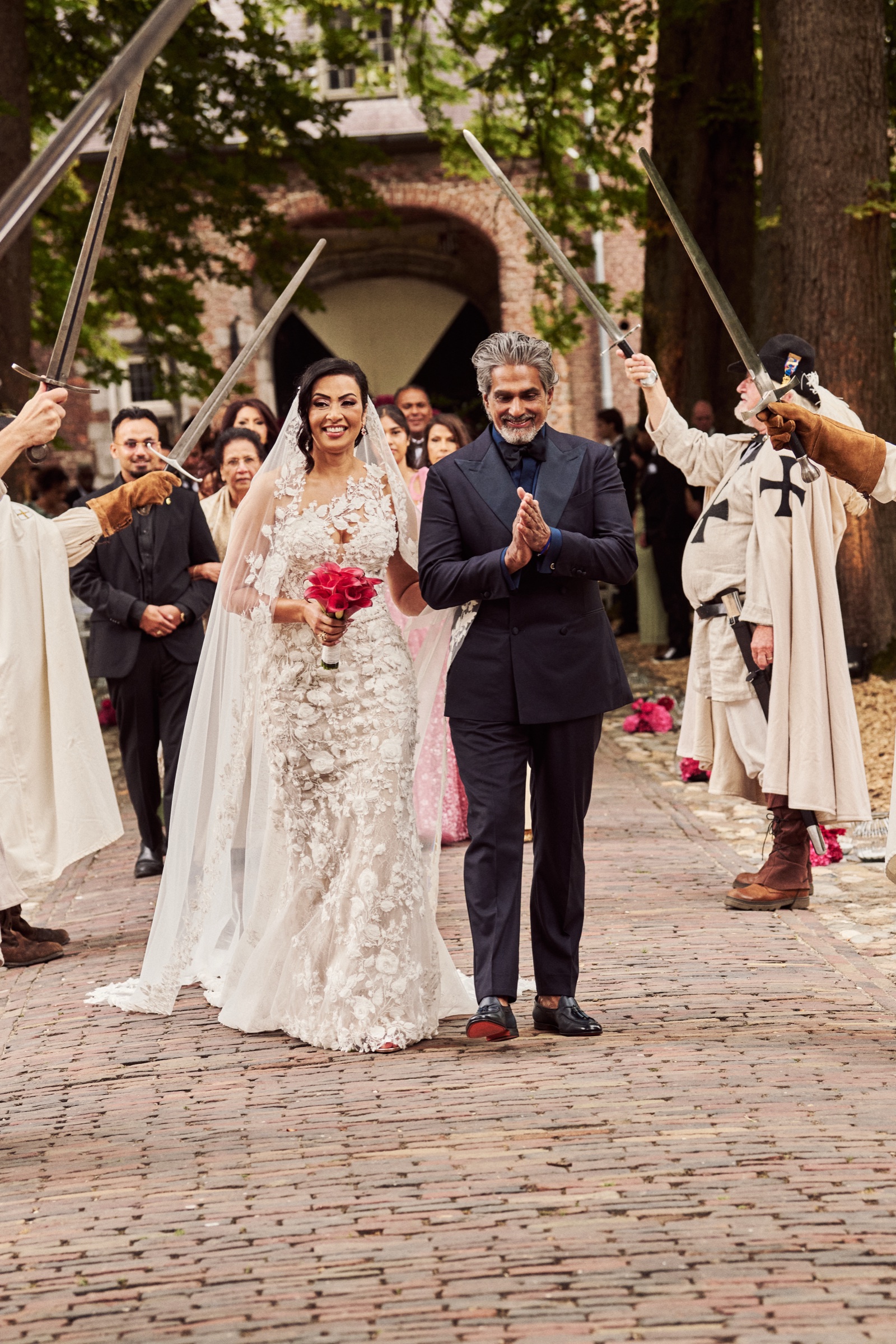
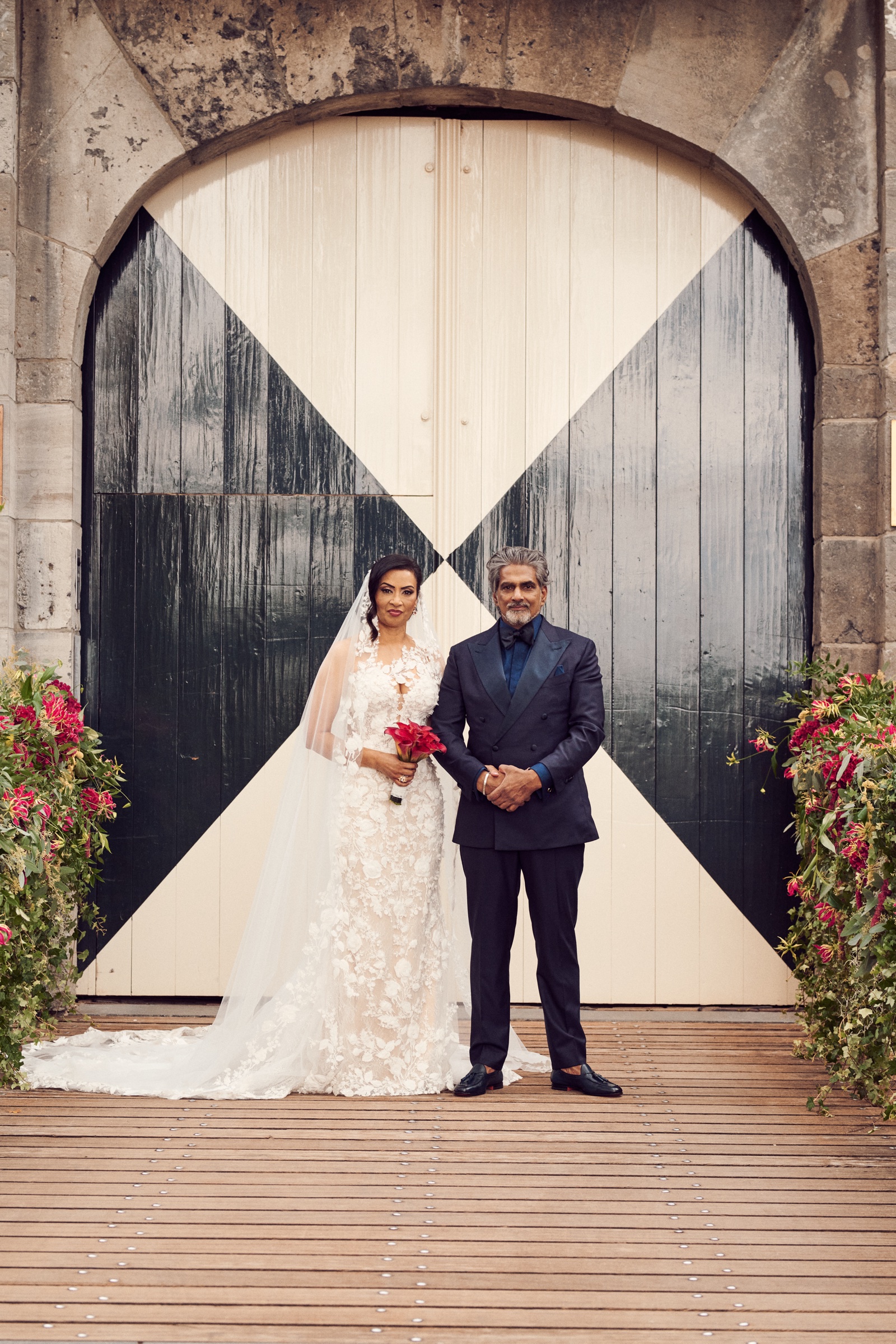
For his wedding to Annu, NASSAU made a suit that needed to carry more meaning. It had to feel distinct enough for the occasion, but still unmistakably his.
“It had to show confidence and strength, but also calm,” he says. “Most of all, it had to feel like me and reflect the importance of that day with Annu.”
The wedding suit is now the NASSAU piece he feels most connected to. Not because it was made for display, but because of the life attached to it.
WHAT HE CHOOSES TO DO SLOWLY
Soenil develops a new dish without rushing it. Flavour cannot be forced. He tastes, adjusts and removes. Sometimes he starts again.
He tries to bring the same attention to time with Annu and his family. Much of his working life moves quickly, so the moments outside it require a conscious change of pace.
A good day without performance starts slowly: breakfast, family, perhaps a journey or a walk through an unfamiliar city. Paris remains a place he returns to for food and inspiration. At home, happiness can be much simpler.
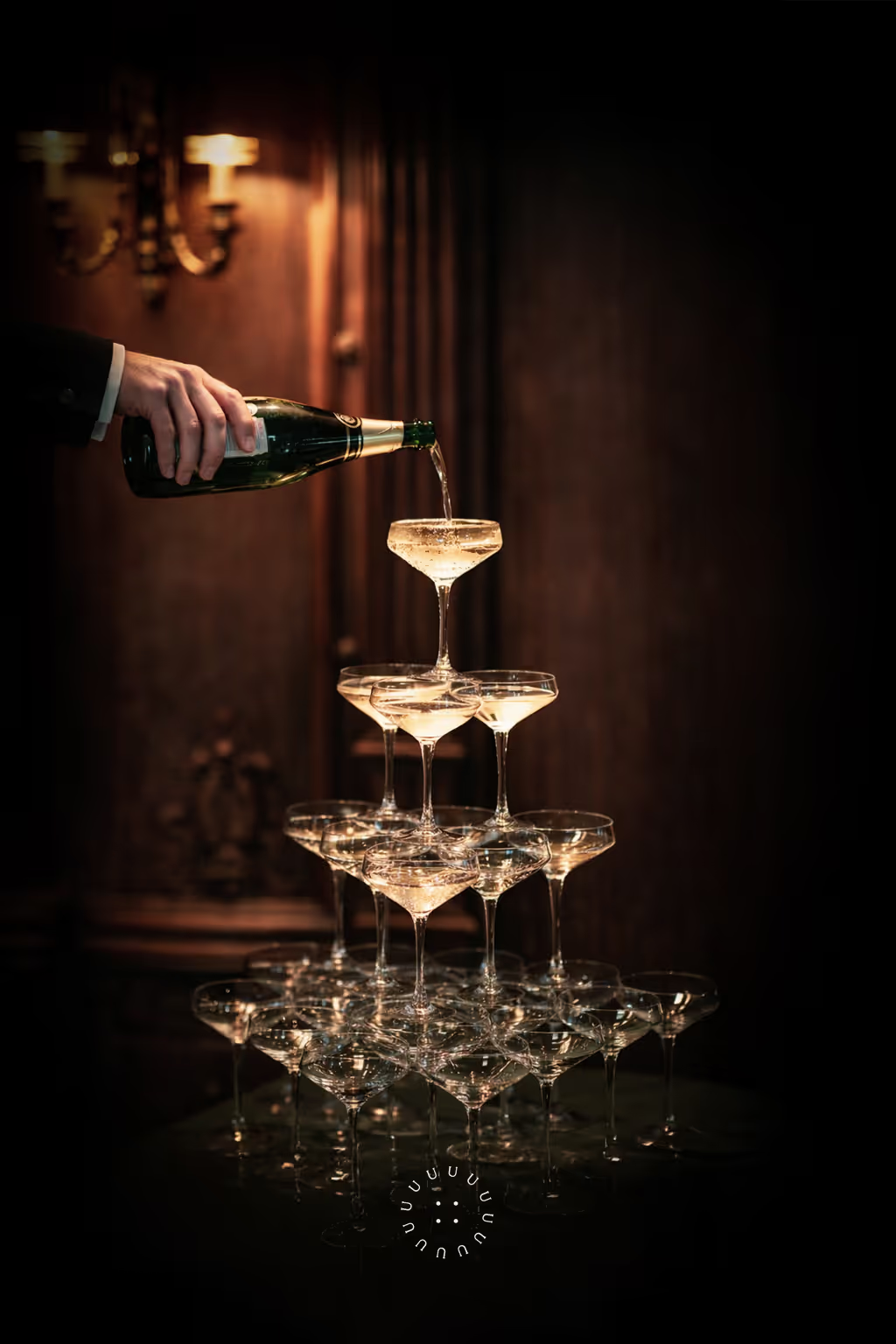
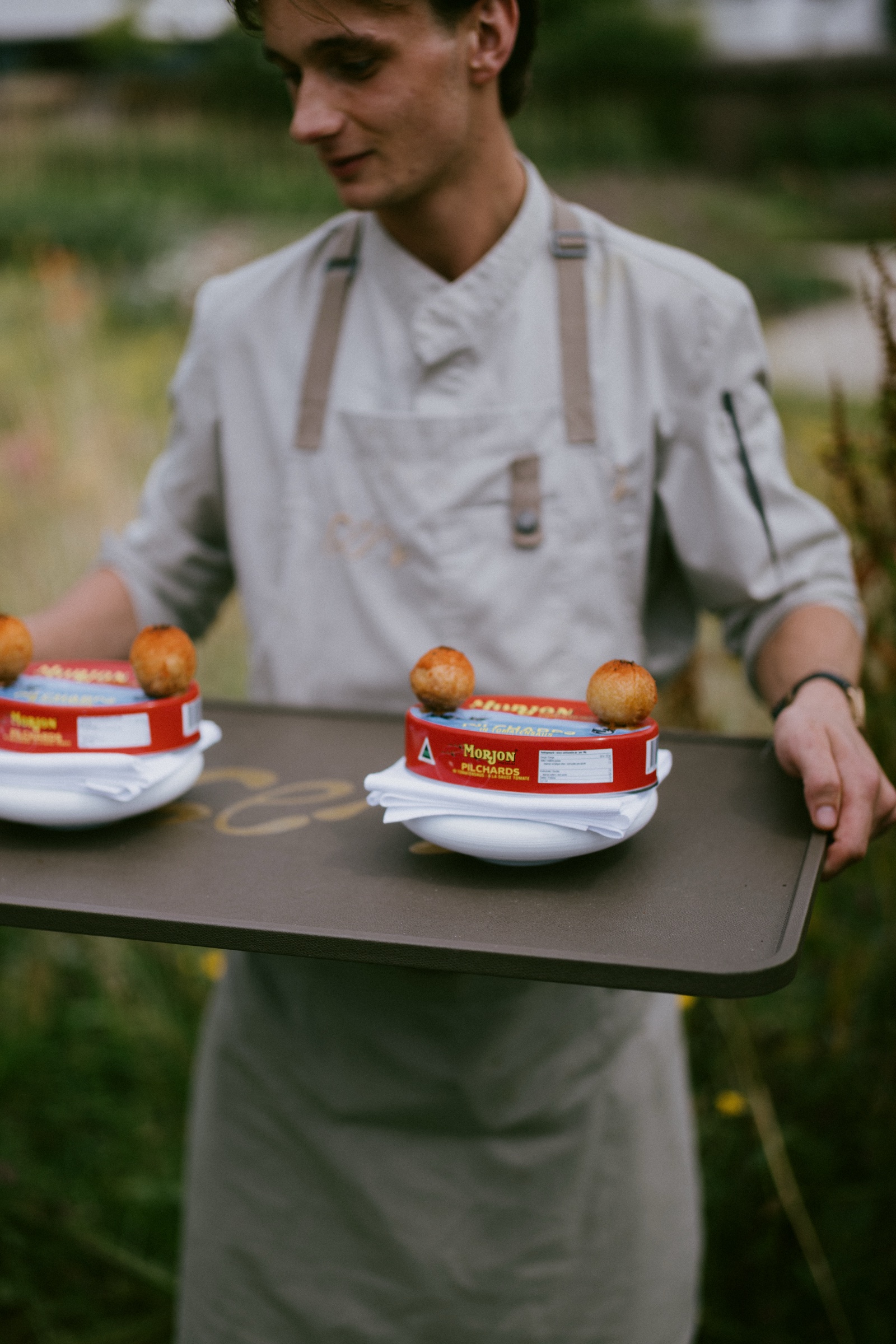
Roti made by his mother. A bottle of champagne. Dinner with Annu, with enough time to remain at the table.
A GOOD LIFE
Soenil is proud of where he comes from, but he has little interest in standing still. His family, his heritage and everything learned along the way now meet in the same kitchen.
GEM. is the clearest expression of that journey so far. A place built from discipline and memory, but also from the willingness to leave certainty behind.
For Soenil, a good life still includes hard work. It also means health, love, travel, family and the ability to recognise a meaningful moment while it is happening.
“Stay close to your own identity,” he says. “That is where your difference begins.”
Ready to define your style?
Related stories
Michiel Kruize
Co-founder, Mima
Carlos Coelho
Sales Executive, Schaap en Citroen